The image above was taken at a coral reef in Florida called Pickles in the spring of 2022.
I visited a beautiful coral reef in 2022. What I saw there this summer shocked me.
Devastating photos reveal how an extreme heat wave is wrecking Florida’s coral reef.


Benji Jones is an environmental correspondent at Vox, covering biodiversity loss and climate change. Before joining Vox, he was a senior energy reporter at Business Insider. Benji previously worked as a wildlife researcher.
Here’s how that same reef looked earlier this month:

The difference between the two images tells a clear story: Coral in the Florida Keys, home to the largest reef in the continental US, is dying. The ghostly white appearance of the coral above is due to a phenomenon known as bleaching. Coral, an anemone-like marine animal, gets most of its color and food from a kind of algae that lives within its tissue. When that algae disappears, the coral appears stark white. Bleached corals aren’t dead; they are starving to death.

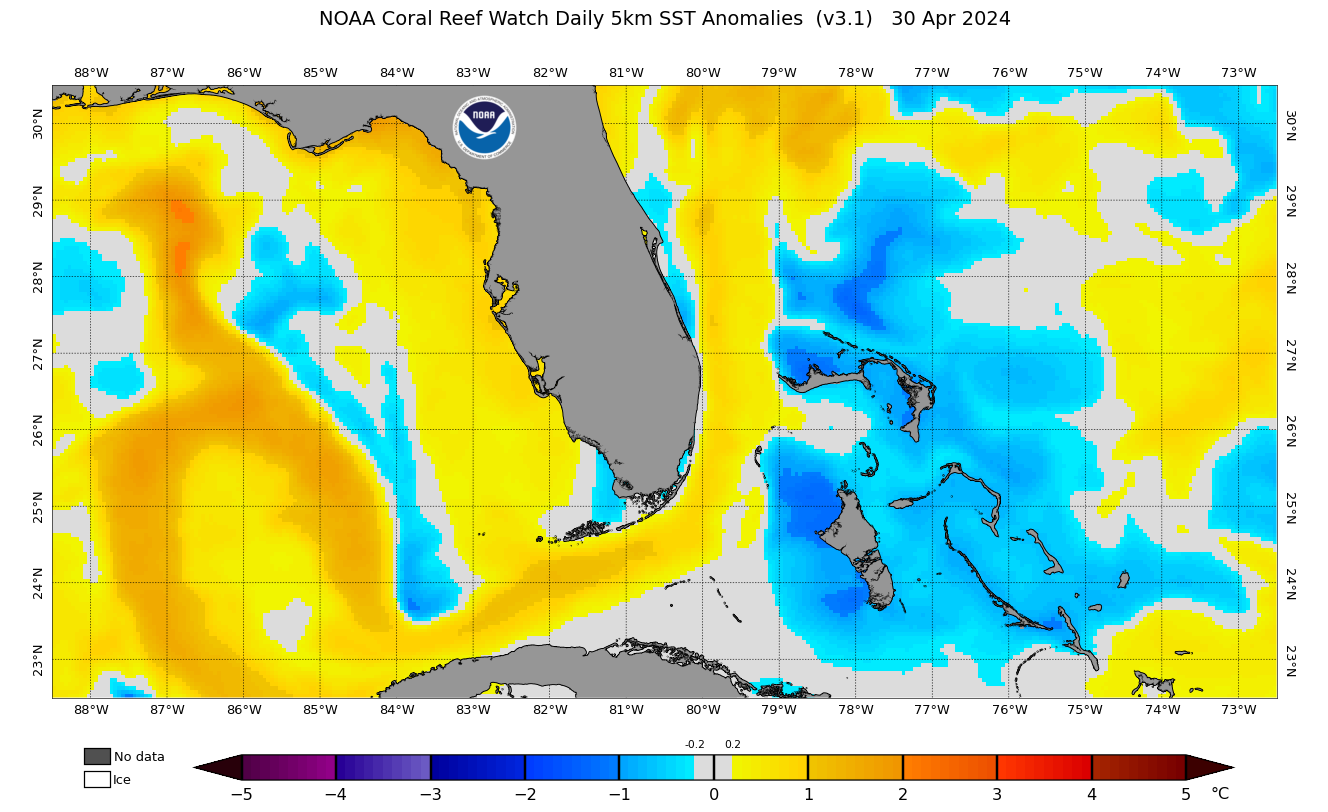
What happened between those two snapshots is extreme and unrelenting heat. Since July, a record-setting heat wave has been cooking waters in Florida and parts of the Caribbean, at times pushing water temperatures above 100 degrees. This excessive heat causes the relationship between coral and those symbiotic algae to break down; the algae leave the coral, though it’s not entirely clear which initiates the breakup.
The result of this epic marine heat wave is a devastating bleaching event that stretches across the Keys and much of the Caribbean, threatening the future of the region’s coral reefs. That in turn threatens human lives and well-being. These ecosystems — which were already under siege well before this summer — protect coastal communities from storm surge, support fisheries, and drive tourism.
“It’s absolutely devastating,” said Rachel Morgan, a senior coral biologist at the Florida Aquarium, an aquarium and conservation organization. “We’re looking at a mass extinction.”
Underwater photojournalist Jennifer Adler and I went scuba-diving in the Florida Keys before and after this marine heat wave. What we saw is a stark reminder that climate change is not a distant threat; it’s destroying ecosystems today.
This is the second story in a Vox series about the bleaching crisis in Florida. The series is supported by a grant from the Pulitzer Center.
Read the first story: “America’s most iconic coral reef is dying. Only one thing will save it.”
The heat wave is burning up years of restoration efforts
Diving on a reef with bleached corals is always a bit grim, like walking through a forest after a wildfire. What makes this crisis especially harrowing, however, is that it’s undoing years or perhaps even decades of work to revive Florida’s reefs through restoration.
“This is heartbreaking to a lot of people who’ve dedicated their lives to restoring reefs in Florida,” Morgan said. “It sets us back significantly. It stings.”
The images below, from 2022, show pieces of coral growing in a nursery near Key Largo run by the Coral Restoration Foundation (CRF). The organization raises corals on “trees” made of PVC and fiberglass, and then glues them onto degraded parts of various reefs in the Florida Keys to create new habitat.

You can see bits of elkhorn and staghorn corals in Adler’s photos below — two threatened species that help build reefs. The vibrant browns and oranges indicate that they’re healthy and their symbiotic relationship with algae is intact.


Here’s what that same nursery looked like in September.


Much of the coral in this nursery, the world’s largest of its kind, has bleached. The situation got so bad that earlier this summer CRF rescued hundreds of pieces of coral from their nursery, transferring them to tanks on land so they wouldn’t perish in the brutal heat.
CRF’s nursery also yields a bit of good news: Some of the corals growing there are proving to be more resistant to bleaching — they maintain their color. Scientists believe these thermally tolerant corals may hold the key to building reefs that are more resilient to future warming events, as I’ve previously reported.
Do you have feedback on this story or tips about fisheries and shipping? Get in touch with the author at benji.jones@vox.com.
Some of Florida’s reefs have almost no healthy coral remaining
In 2022, Jenny and I watched CRF’s former science program manager, Amelia Moura, shown below, glue bits of staghorn coral to Pickles Reef. To date, the foundation has planted more than 43,000 pieces of coral here.

Today, many of those planted corals are bleached.

We saw even more bleaching at a reef near Key West called Eastern Dry Rocks, another hot spot of restoration. The photo below shows a bleached piece of elkhorn coral that CRF had previously planted (the tree-like structure in the center) next to some bleached soft coral (on the left).

The heat has been so severe in the last few months that some corals have already died, like this colony of staghorn coral, seen below. Algae has grown over the dead coral fragment, giving it a green tint. (In some places, the water was so hot that corals didn’t even have a chance to bleach; their tissue just sloughed off their calcium carbonate skeleton.)

Also disheartening: Even corals that have been growing on the reef for decades have bleached. Coral grows incredibly slowly — for some species, it’s on the scale of millimeters a year. This colony of lobed star coral in a reef called Looe Key, shown below, is likely more than 100 years old.

Since summer, the water has cooled down a bit, but it’s still unusually warm, and the threat of severe bleaching is still present — now and in the years to come. The world’s top climate scientists predict that global warming will make marine heat waves more common and extreme, which raises frightening questions about the long-term outlook of this iconic ecosystem and all that it supports.
Want to learn more? Check out the first story in Vox’s series on the coral bleaching crisis in Florida.
See More: